

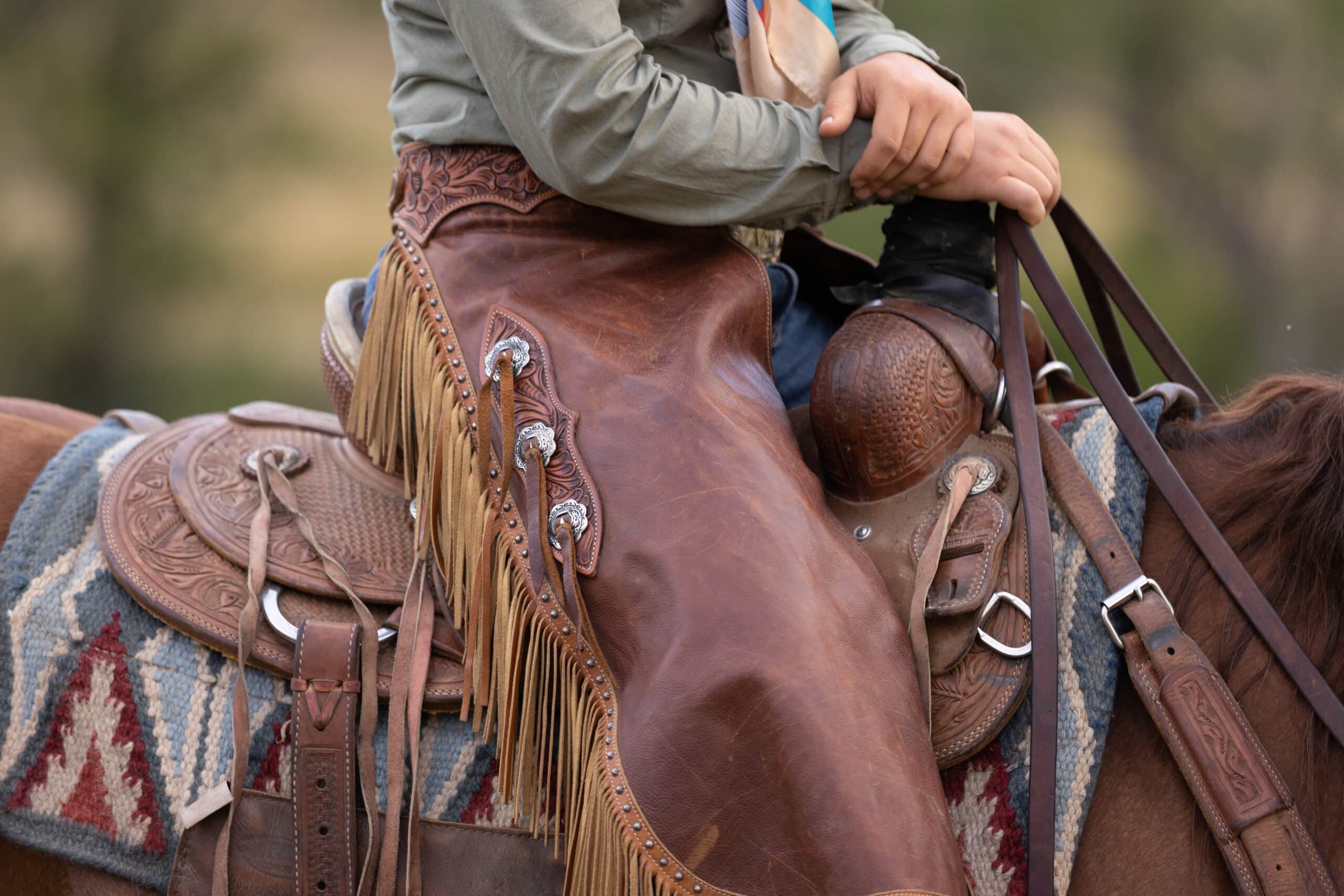
A saddle is one of the most important pieces of equipment for any rider. The right saddle supports comfortable riding, helps maintain balance, and allows better communication between horse and rider. For those involved in ranch work, trail riding, competition, or recreational riding, selecting the correct equipment requires careful consideration of both the horse’s needs and the rider’s goals.
A quality western saddle is designed to provide stability and comfort while supporting a wide range of riding activities. Unlike choosing equipment based only on appearance, riders should consider factors such as fit, discipline, construction, and intended use before making a purchase. Saddle Up Colorado offers a selection of new saddles suited for different riders and horses, helping customers find equipment that matches their riding style.
Understanding the Purpose of a Western Saddle
Western saddles have a long history connected with ranch work and cattle handling. Their design developed around the need for comfort during long hours of riding while providing support for practical tasks. Features such as a deeper seat, sturdy tree, horn, and durable construction distinguish Western saddles from many other saddle styles.
Today, Western saddles are used for much more than ranch activities. Riders choose them for:
- Trail riding
- Ranch riding
- Barrel racing
- Roping
- Western pleasure
- General recreational riding
Because different disciplines place different demands on the horse and rider, choosing a saddle designed for the intended activity is an important part of the buying process.
Why Saddle Fit Matters
One of the most important factors when selecting a saddle is proper fit. A saddle that does not fit correctly can create discomfort for the horse and affect the rider’s position.
A good fit considers several areas, including:
- Tree width
- Saddle length
- Gullet size
- Seat size
- Weight distribution
- Horse back shape
The saddle tree forms the structure of the saddle and influences how the saddle sits on the horse’s back. When properly fitted, it helps distribute rider weight more evenly and reduces unnecessary pressure points.
Before purchasing a saddle, riders should understand their horse’s build and consider getting professional guidance when needed.
Choosing a Western Saddle Based on Riding Style
Different riding activities require different saddle features. A saddle that works well for relaxed trail rides may not be the ideal choice for competitive events.
Trail Riding Saddles
Trail riders often spend several hours in the saddle, making comfort a major priority. These saddles are generally designed to provide a secure seat and support during longer rides.
Important features may include:
- Comfortable seat design
- Balanced weight distribution
- Durable materials
- Practical attachment options for trail equipment
Ranch Riding Saddles
Ranch riders need equipment that can handle daily use. A ranch saddle is often selected for its durability and versatility, making it suitable for riders who work with horses regularly.
Roping Saddles
Roping saddles are designed for demanding activities where strength and stability are important. They typically feature reinforced construction to support the needs of roping work.
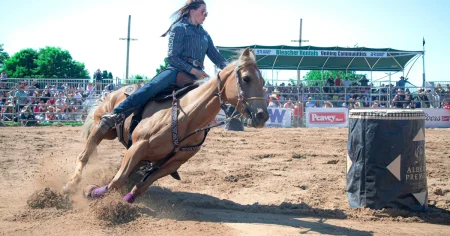
Barrel Racing Saddles
Speed events require saddles that allow freedom of movement while helping riders maintain a secure position during quick turns and acceleration.
Important Features to Evaluate Before Buying
Seat Size and Rider Comfort
The seat should provide enough room for the rider without allowing excessive movement. A properly sized seat helps maintain balance and reduces fatigue during longer rides.
Riders should consider their body size, riding position, and personal comfort preferences when selecting a saddle.
Saddle Tree Design
The tree determines much of the saddle’s shape and fit. Different horses have different back structures, so the same saddle may not work equally well for every horse.
Understanding tree styles can help riders narrow down choices and avoid selecting equipment based only on appearance.
Materials and Construction
Quality materials play an important role in durability. Leather saddles are popular because of their traditional appearance and long-lasting nature when properly maintained.
Riders should examine:
- Stitching quality
- Hardware strength
- Leather condition
- Overall craftsmanship
A well-made saddle can provide reliable service for many years with proper care.
Maintaining Your Western Saddle
Proper maintenance helps protect the saddle and preserve its condition.
Regular care includes:
- Cleaning dirt and sweat after use
- Conditioning leather when needed
- Checking hardware regularly
- Storing the saddle in a dry location
- Inspecting for wear before riding
Routine maintenance not only protects the saddle but also helps identify small issues before they become larger problems.
Working With an Experienced Saddle Provider
Buying a saddle is a personal decision because every horse and rider combination is different. Working with a knowledgeable saddle retailer can make the process easier by helping riders understand available options and choose equipment that matches their needs.
Experienced providers can help answer questions about saddle styles, fit considerations, and riding applications. This guidance is especially useful for riders purchasing their first Western saddle or upgrading their current equipment.
Finding the Right Saddle for Your Horse
The right saddle should balance comfort, fit, durability, and riding purpose. While style and appearance may influence the decision, proper fit and functionality should always come first.
Whether you ride on trails, work on a ranch, compete, or simply enjoy spending time with your horse, choosing the correct equipment can improve the overall riding experience. Saddle Up Colorado helps riders find quality saddles and tack options designed for different riding needs and experience levels.