


Choosing the right saddle is one of the most important decisions for any horse rider. A saddle affects rider comfort, horse movement, and overall riding experience. With many designs created for different activities, understanding the types of western saddles can help riders select the right option for their needs. Whether you enjoy trail riding, ranch work, competition, or casual western riding, each saddle style has specific features designed for different purposes.
Western saddles are known for their deep seats, sturdy construction, and distinctive horn design. Originally developed for ranch work and long hours on horseback, these saddles have evolved into specialized designs for various riding disciplines. Learning the differences between saddle types can help you find a style that supports both you and your horse.
What Makes a Western Saddle Different?
Western saddles are designed with durability, stability, and rider support in mind. Compared with English saddles, western saddles typically feature a larger surface area, a horn at the front, and heavier construction.
Common features include:
- Deep seat for rider security
- Saddle horn for practical use
- Wide skirts for weight distribution
- Sturdy leather construction
- Fenders and stirrups designed for comfort
These features make western saddles suitable for long rides, ranch activities, and different competitive events.
Why Are There Different Types of Western Saddles?
Different riding activities require different saddle designs. A saddle used for ranch work may need durability and support, while a competition saddle may prioritize movement and lighter construction.
The main differences between western saddle types include:
- Seat design
- Horn style
- Weight
- Skirt shape
- Rigging placement
- Rider position
- Horse movement requirements
Selecting a saddle based on your riding style helps create a more comfortable experience for both horse and rider.
What Are the Main Types of Western Saddles?
Western saddles are available in several styles, each created for specific riding purposes. Below are some of the most common types.
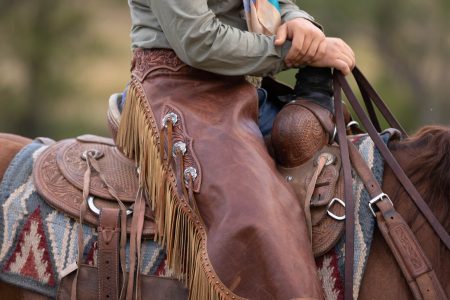
Ranch Saddles
Ranch saddles are designed for everyday ranch work and long hours of riding. They are built with durability and comfort in mind, making them a popular choice among working riders.
Features often include:
- Strong leather construction
- Comfortable seat design
- Durable tree structure
- Balanced weight distribution
Ranch saddles are suitable for activities such as:
- Checking livestock
- General ranch work
- Trail riding
- Daily riding tasks
Their practical design makes them one of the most versatile western saddle options.
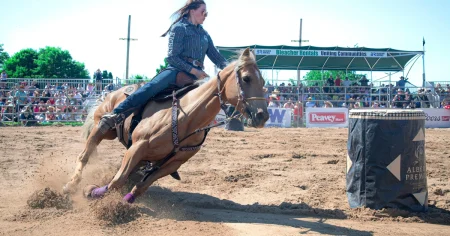
Barrel Racing Saddles
Barrel racing saddles are designed specifically for speed and quick movements during competitions. Riders need a saddle that provides security while allowing the horse freedom of movement.
Common features include:
- Lightweight construction
- Deep seat
- Higher cantle
- Secure rider position
- Shorter skirt design
These saddles help riders stay balanced while making fast turns around barrels.
Trail Saddles
Trail saddles are created for comfort during long-distance rides. Riders who spend several hours on horseback often prefer trail saddles because they focus on support and comfort.
Trail saddle features may include:
- Padded seats
- Lightweight materials
- Comfortable stirrup placement
- Storage options for trail equipment
They are commonly used for:
- Recreational riding
- Mountain trails
- Long-distance rides
- Outdoor adventures
A comfortable trail saddle can make extended rides more enjoyable for both rider and horse.
Cutting Saddles
Cutting saddles are designed for cutting competitions, where horses separate individual cattle from a herd. These saddles allow riders to stay balanced while the horse makes quick movements.
Key features include:
- Wide swells
- Deep seat
- Low horn
- Freedom for horse movement
The design helps riders maintain control while allowing the horse to respond quickly.
Roping Saddles
Roping saddles are built for the demands of cattle roping. They need to handle pressure from ropes while providing stability during fast movements.
Important features include:
- Strong horn
- Durable tree
- Heavy-duty construction
- Secure seat
Because roping creates significant force, these saddles are typically heavier and built for strength.
Roping saddles are commonly used for:
- Team roping
- Calf roping
- Ranch roping
Reining Saddles
Reining saddles are designed for horses performing precise movements such as spins, stops, and circles.
They typically include:
- Low-profile design
- Balanced seat
- Lightweight construction
- Freedom of movement
The design helps riders communicate effectively with their horses during competition.
Pleasure Saddles
Pleasure saddles are designed for relaxed western riding. They prioritize rider comfort and appearance rather than intense performance.
They are commonly used for:
- Casual riding
- Western pleasure competitions
- Recreational use
Features may include:
- Comfortable seat padding
- Decorative tooling
- Balanced design
- Attractive leather finishes
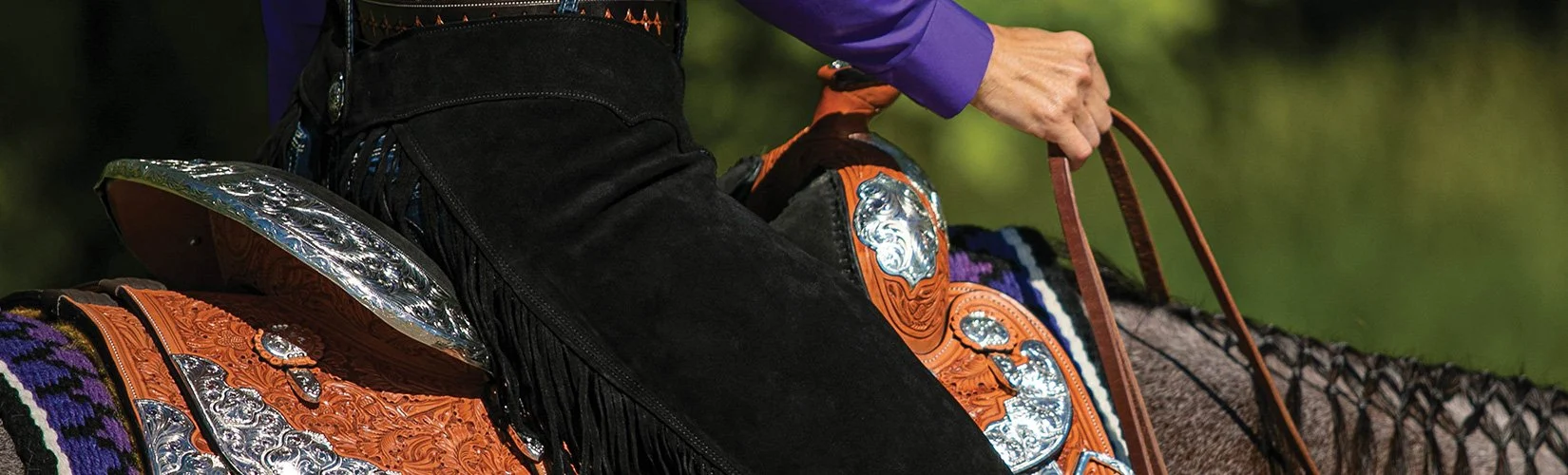
Show Saddles
Show saddles are designed for western competitions where appearance is an important factor. These saddles often feature detailed craftsmanship and decorative elements.
Common characteristics include:
- Ornate tooling
- Silver accents
- Detailed leatherwork
- Elegant finishes
While appearance is a major focus, a good show saddle should still provide comfort and balance.
How Do You Choose the Right Western Saddle?
Choosing a western saddle requires considering your riding style, horse, and personal comfort preferences.
Consider Your Main Riding Activity
The first step is identifying how you plan to use the saddle.
Ask yourself:
- Do you ride trails?
- Do you compete?
- Do you work cattle?
- Do you need a saddle for everyday use?
Your primary activity will help determine which saddle style is most suitable.
Focus on Horse Fit
A saddle should fit the horse properly to prevent discomfort and movement issues.
Important considerations include:
- Tree width
- Saddle length
- Gullet size
- Weight distribution
- Horse back shape
A saddle that fits the rider but does not fit the horse can create problems during riding.
Consider Rider Comfort
A comfortable saddle allows the rider to maintain proper posture and balance.
Consider:
- Seat size
- Seat depth
- Stirrup position
- Overall support
Long rides require different comfort features compared with short competition events.
What Saddle Materials Should You Consider?
Most traditional western saddles are made from leather because it offers durability and a classic appearance.
Leather saddles provide:
- Long-lasting performance
- Natural flexibility
- Traditional western style
Synthetic saddles are also available and may offer:
- Lower weight
- Easier maintenance
- Weather resistance
The best material depends on your riding needs and preferences.
How Should You Maintain a Western Saddle?
Proper saddle care helps preserve its appearance and function.
Helpful maintenance steps include:
- Clean leather regularly
- Apply leather conditioner
- Store in a dry location
- Check hardware and stitching
- Protect from excessive moisture
Regular maintenance can help extend the life of your saddle.
Finding the Right Western Saddle for Your Riding Style
Understanding the different types of western saddles makes it easier to choose the right option for your horse and riding goals. From ranch saddles built for daily work to barrel saddles designed for speed, each style serves a specific purpose.
The best saddle should provide comfort, proper fit, and support for both horse and rider. Whether you ride competitively, work on a ranch, or enjoy weekend trail rides, selecting the right western saddle can improve your overall experience.
Explore quality western saddle options from Saddle Up Colorado to find saddles designed for different riding styles, activities, and horse needs.