



Author: Washington Times


Many riders who are new to rodeo or Western performance events often ask, is barrel racing dangerous? The short answer is that, like any equestrian sport, barrel racing carries risks because it involves speed, sharp turns, and working with large, powerful animals. However, research has consistently shown that barrel racing generally has a lower injury rate than many other rodeo events, especially roughstock competitions such as bull riding and bareback riding. Barrel racing challenges horse and rider to complete a cloverleaf pattern around three barrels in the fastest possible time. Success depends on speed, precision, communication, and balance rather than…
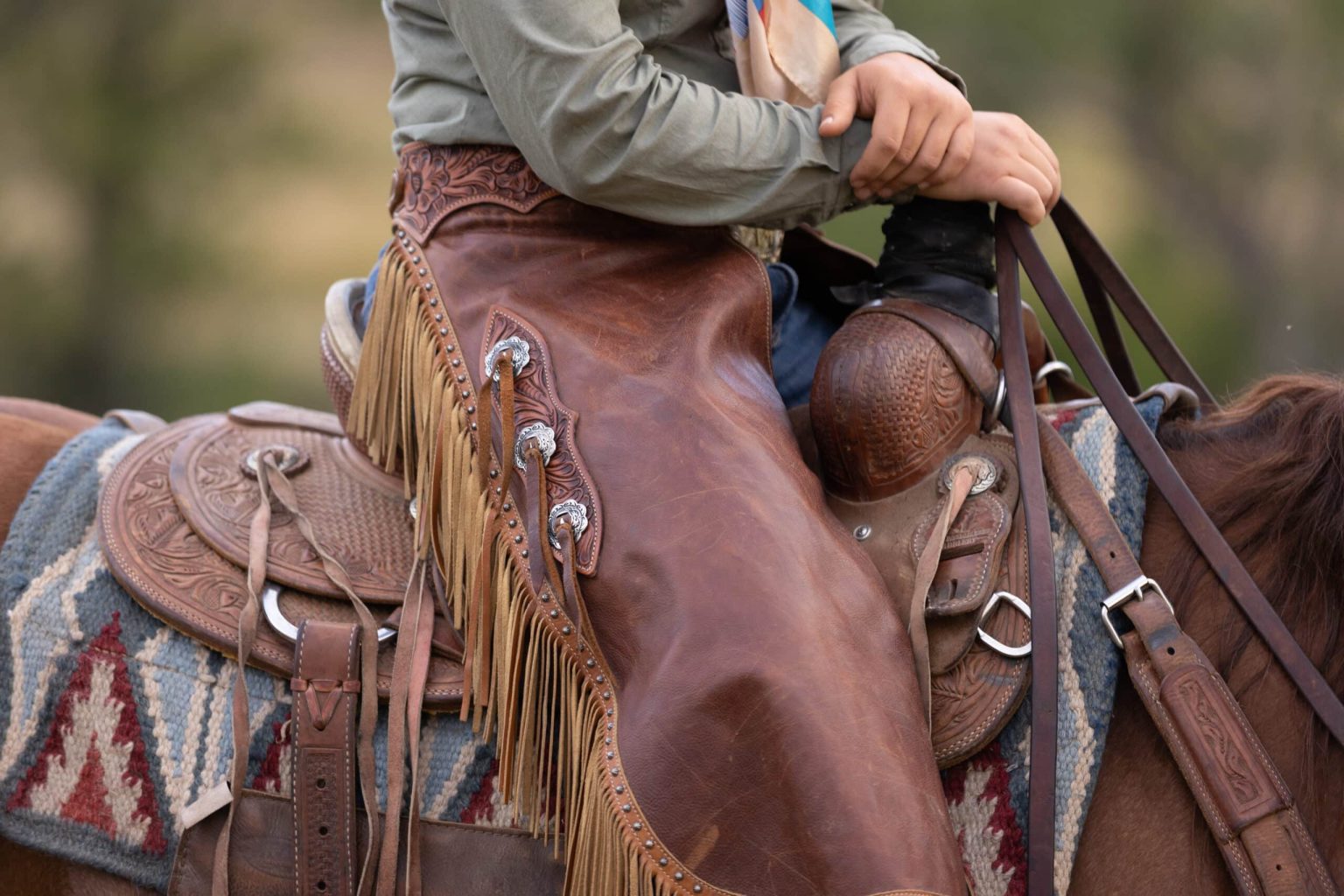
A saddle is one of the most important pieces of equipment for any rider. The right saddle supports comfortable riding, helps maintain balance, and allows better communication between horse and rider. For those involved in ranch work, trail riding, competition, or recreational riding, selecting the correct equipment requires careful consideration of both the horse’s needs and the rider’s goals. A quality western saddle is designed to provide stability and comfort while supporting a wide range of riding activities. Unlike choosing equipment based only on appearance, riders should consider factors such as fit, discipline, construction, and intended use before making a…
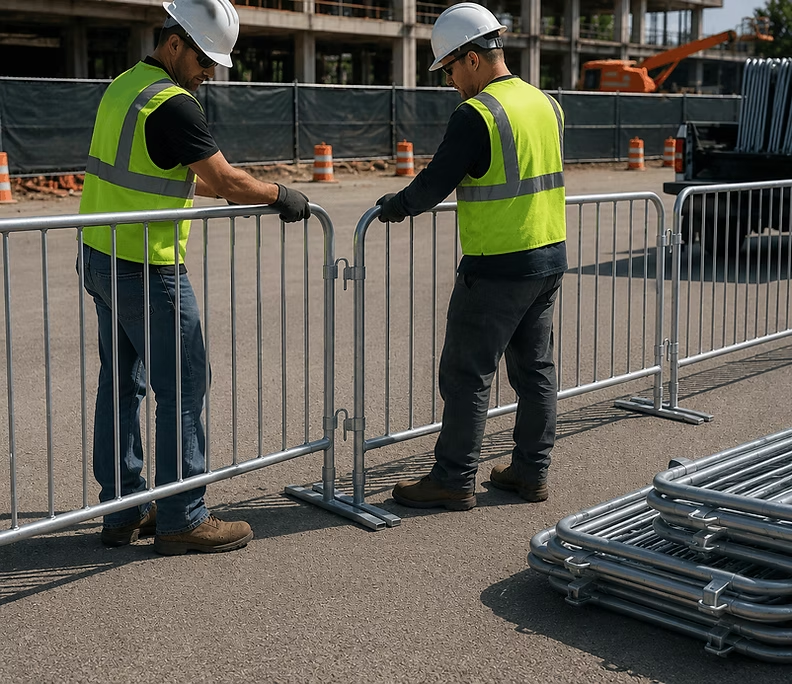
Whether you’re organizing a weekend festival, managing a construction project, or coordinating a public event, keeping people safe and traffic organized is essential. Choosing barricade rentals allows organizations to access professional crowd control equipment without the expense and responsibility of ownership. Renting provides flexibility, dependable equipment, and the ability to scale up or down based on the needs of each project. Temporary projects often require crowd control equipment for only a few days or weeks. Purchasing barriers for short-term use can create unnecessary expenses related to storage, maintenance, and transportation. Rental services eliminate these concerns while providing access to equipment…

Managing crowds effectively requires more than having security personnel in place. Event organizers, venue managers, municipalities, and security teams need reliable equipment that can create clear boundaries, guide pedestrian movement, and maintain safety during busy gatherings. From concerts and festivals to construction areas and public events, physical barriers remain one of the most practical tools for controlling movement. A metal barricade provides a dependable solution for organizations that need temporary crowd separation without sacrificing flexibility. Built for repeated use and designed for professional environments, metal barriers help create organized spaces while supporting safer event operations. The Importance of Effective Crowd…
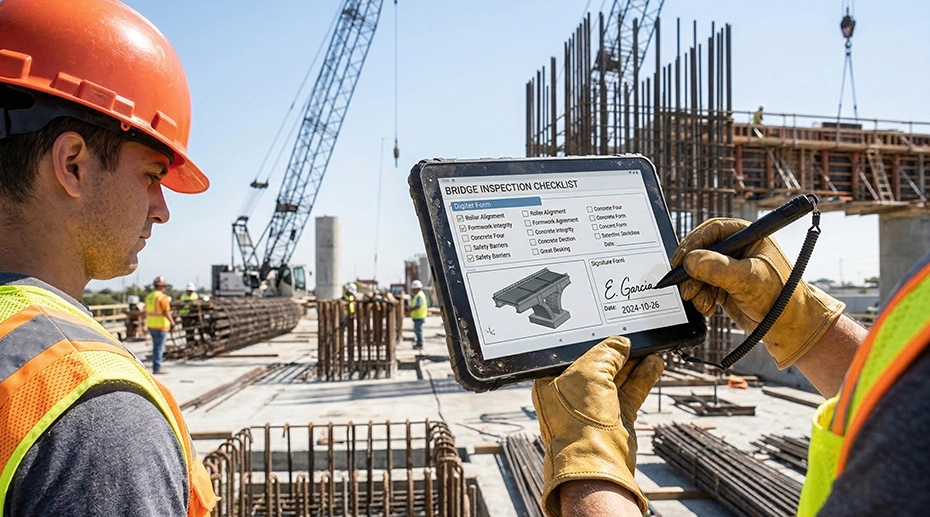
Field inspections require employees to collect information, review technical records, take photographs, complete forms, and communicate findings from locations that may be far from an office. Paper documents and consumer tablets can make these processes slower or less reliable. The panasonic toughbook 33 rugged tablet combines portable touchscreen operation with the physical protection and connection options required for demanding mobile assignments. Why Are Field Teams Moving Away From Paper? Paper forms remain familiar, but they can create extra administrative work. Employees may have to enter handwritten information into a computer after returning to the office. Documents can also become damaged,…

Building a Dancewear Wardrobe That Works for a Full Training Year Most dance families buy reactively. A class gets added, a dress code changes, something rips before a rehearsal, and another order goes in. The result is a drawer full of pieces that do not quite work together and a running cost that is difficult to track. Approaching dancewear as a planned wardrobe rather than a series of emergency purchases solves both problems, and it takes about an hour of thought at the start of a season. The framework below works for a dancer training anywhere from two to six…
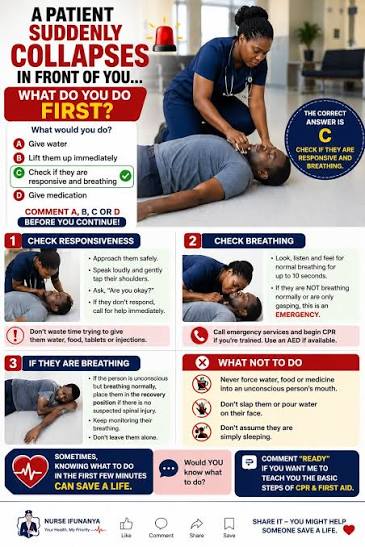
What Happens When Someone Collapses, and Who Is Actually There Cardiac arrest is not a hospital event. The overwhelming majority occur outside a medical setting, in houses, workplaces, arenas, and shopping centres, and the person nearest to the patient is almost never a clinician. That is the situation anyone considering online CPR certification in Canada is preparing for, and understanding how it unfolds explains why bystander training matters more than any other single factor a community controls. The sequence, realistically Someone collapses. For a few seconds, nobody moves, because a collapse does not announce itself as cardiac arrest. The person…

Living With a Hundred-Year-Old Ring The question that follows the buying decision rarely gets asked out loud. Once someone has settled on a period piece, they want to know whether it will actually survive being worn. It is a fair concern, because Art Deco engagement rings were made for hands that lived differently: fewer keyboards, fewer gym sessions, fewer car doors. The honest answer is that most of them hold up remarkably well, provided you understand what needs attention and what does not. Why they lasted this long A ring reaching its centenary in wearable condition is not a fluke.…
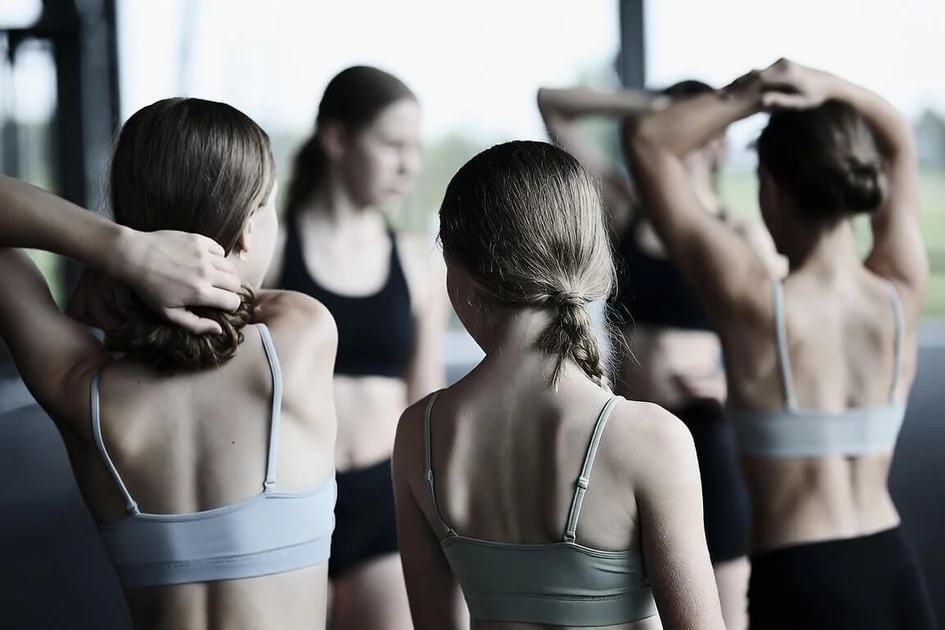
Choosing a First Bra Top for a Young Dancer There is a point in most dancers’ training when the question of support arrives, usually raised indirectly. A dancer starts adjusting during class, asks to keep a layer on, or mentions that something feels uncomfortable during jumps. Buying a first bra top is a small purchase that carries more weight than its cost suggests, because handling it well removes a distraction and handling it awkwardly creates one that lasts. The practical guidance is straightforward. The interpersonal part deserves a little thought. Timing Is Individual, Not Age-Based There is no correct age,…
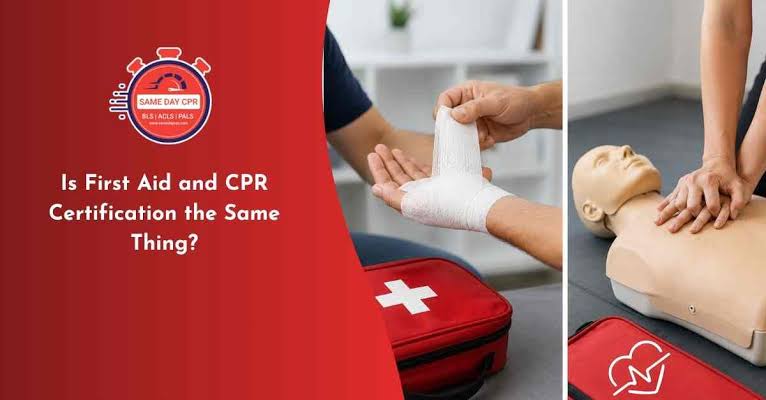
What a First Aid and CPR Course Actually Covers Ask most people what they expect to learn in emergency response training and they will describe chest compressions. That is one component of a much broader curriculum, and the imbalance in expectation matters, because the skills people are statistically most likely to use are not the ones they signed up for. A complete first aid and cpr course covers a range of emergencies that occur far more frequently than cardiac arrest, and knowing what is inside the syllabus helps people choose the right level and take the right parts seriously. Here…