




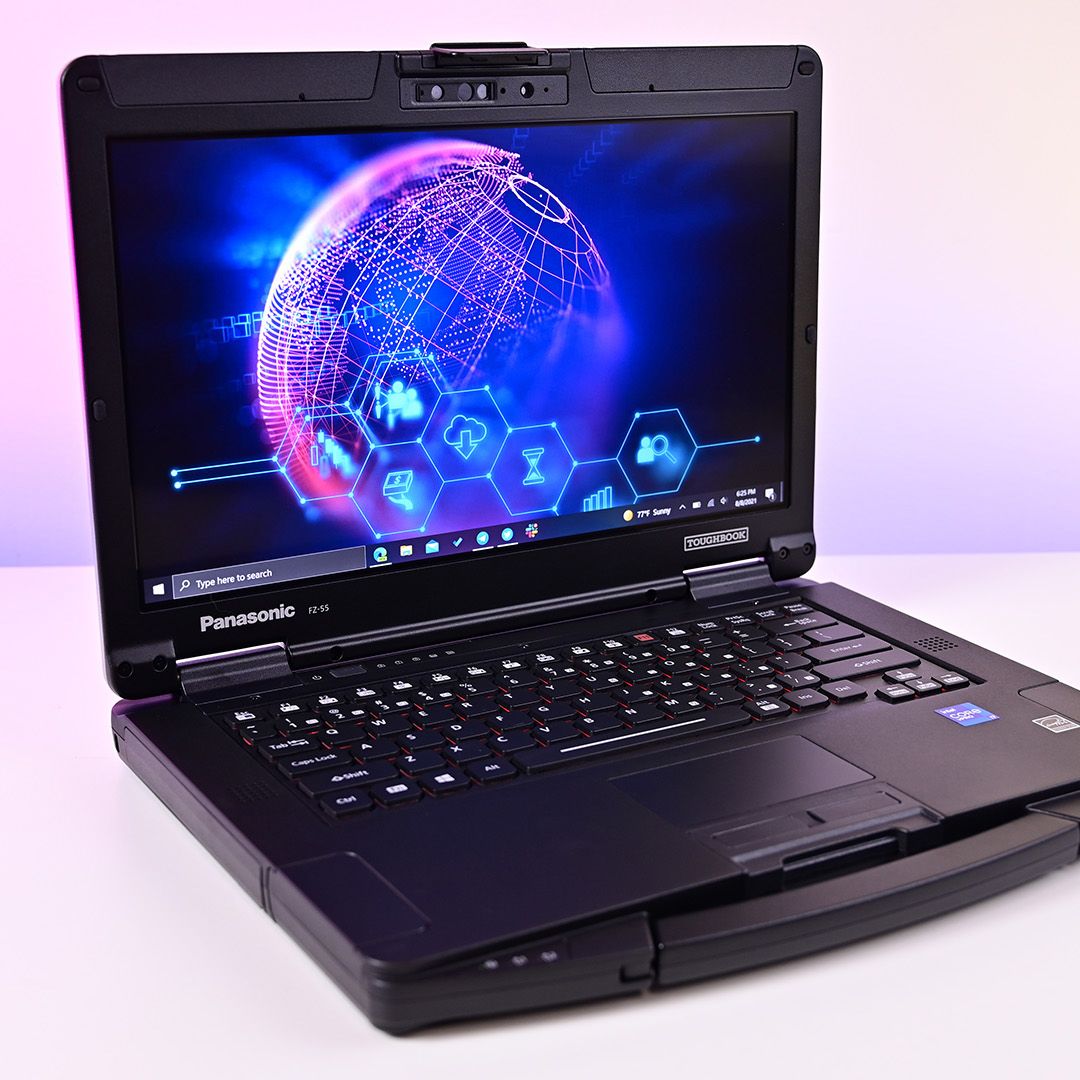
Buying a rugged computer is not simply a matter of selecting the model with the highest specifications. The device must match the employee’s work environment, software, travel patterns, and connected equipment. A panasonic toughbook 55 rugged laptop can serve many professional roles, but selecting the correct configuration is essential. Careful planning can prevent unnecessary costs, compatibility problems, and equipment changes after deployment.
Start With the Working Environment
Before comparing technical specifications, document where and how employees will use the computer. The Toughbook 55 may be considered by teams that need more physical protection than a standard office laptop while retaining a familiar clamshell design.
Potential working conditions include:
- Frequent travel between job sites
- Use inside service or emergency vehicles
- Exposure to dust or light moisture
- Outdoor work in changing temperatures
- Repeated movement between offices and field locations
- Risk of vibration, bumps, or accidental drops
The device should be selected for routine conditions rather than rare possibilities. This approach helps purchasing teams choose suitable protection without paying for hardware that exceeds actual requirements.
Match Processing Power to Business Applications
The processor affects how quickly the computer handles programs, files, and background tasks. Employees using email, digital forms, browser-based platforms, and standard reporting tools may have modest performance needs. Mapping applications, diagnostic software, large databases, and media files may require more processing capacity.
Before ordering, check the recommended system requirements for every essential program. Buyers should also consider whether employees run several applications at once. A device that meets only the minimum requirements today may struggle as software demands increase.
Select the Right Memory and Storage
Memory supports multitasking. Employees who switch between mapping tools, communication platforms, databases, and browser tabs may benefit from more memory than users completing basic field reports.
Storage requirements depend on how the organization manages files. Cloud-based teams may need less internal storage, while employees working in locations with limited internet access may need room for maps, images, manuals, and customer records.
Solid-state storage is generally well suited to mobile work because it has no moving parts and provides fast access to files. Organizations should estimate current storage use and leave room for future software, operating system updates, and local records.
Review Display Requirements
A field laptop display must remain usable under the lighting conditions employees encounter. Indoor users may prioritize resolution and screen space, while outdoor teams should pay closer attention to brightness, glare, and viewing angles.
A touchscreen can assist with signatures, inspections, maps, and digital forms. However, buyers should determine how employees will interact with it. Important questions include:
- Will employees wear gloves?
- Will they use a stylus?
- Is the computer used in a moving vehicle?
- Will the screen be exposed to bright sunlight?
- Do employees need to enter detailed information with a keyboard?
The answers will help determine which display and input options fit the job.
Plan for Battery Life and Charging
Battery performance can vary according to screen brightness, wireless connections, software use, and environmental conditions. Published estimates may not reflect an employee’s complete shift.
Teams working away from electrical outlets should consider spare batteries, compatible chargers, and vehicle power options. If the selected configuration supports battery replacement during use, employees may be able to continue working through longer shifts with less interruption.
Organizations should also include replacement batteries in their long-term budget. Batteries lose capacity over time and may need to be replaced before the laptop reaches the end of its service life.
Confirm Wireless Connectivity
Reliable access to information is essential for mobile employees. Depending on the role, a Toughbook 55 configuration may need to support Wi-Fi, Bluetooth, cellular service, GPS, or external antennas.
A utility technician may need cellular access to update service records from remote locations. A warehouse employee may rely mainly on Wi-Fi and Bluetooth-connected scanners. A vehicle-based user may need GPS and antenna connections.
Buyers should identify these requirements before purchase because adding certain components later may involve extra time and expense.
Check Ports and Peripheral Compatibility
Field operations often depend on specialized equipment. This may include barcode scanners, printers, cameras, diagnostic tools, card readers, serial devices, external monitors, or removable storage.
Create a complete inventory of equipment that must connect to the laptop. Confirm the required port type and the number of connections employees need at the same time. Adapters may solve occasional compatibility problems, but relying on several loose adapters can make a mobile setup harder to manage.
Include Docks, Mounts, and Accessories
The laptop itself is only one part of a field-computing setup. Vehicle teams may require docks, mounting systems, power adapters, or antenna connections. Office users may need port replicators, monitors, keyboards, or carrying cases.
Compatibility should be confirmed before placing a large order. A laptop that meets every computing requirement can still create installation problems if it does not work with the intended dock or vehicle mount.
Compare New and Refurbished Options
New units may appeal to organizations seeking current hardware and a longer expected service period. Refurbished FZ-55 models may suit teams seeking lower acquisition costs for less demanding applications.
When evaluating a refurbished unit, review its processor, memory, storage, battery condition, operating system, cosmetic condition, testing process, and warranty. The listed configuration should be compared directly with the software and connection requirements established earlier.
Consider the Full Cost of Ownership
Purchase price should be weighed alongside batteries, docks, chargers, accessories, configuration work, repairs, and downtime. Choosing insufficient hardware can lead to early replacement, while buying unnecessary features can increase the initial investment without improving daily work.
A knowledgeable rugged-computing supplier can help match the computer to the role and confirm that required accessories work together. Visit Tough Rugged Laptops to compare available FZ-55 models, review configuration choices, and request assistance selecting equipment for your field team.
